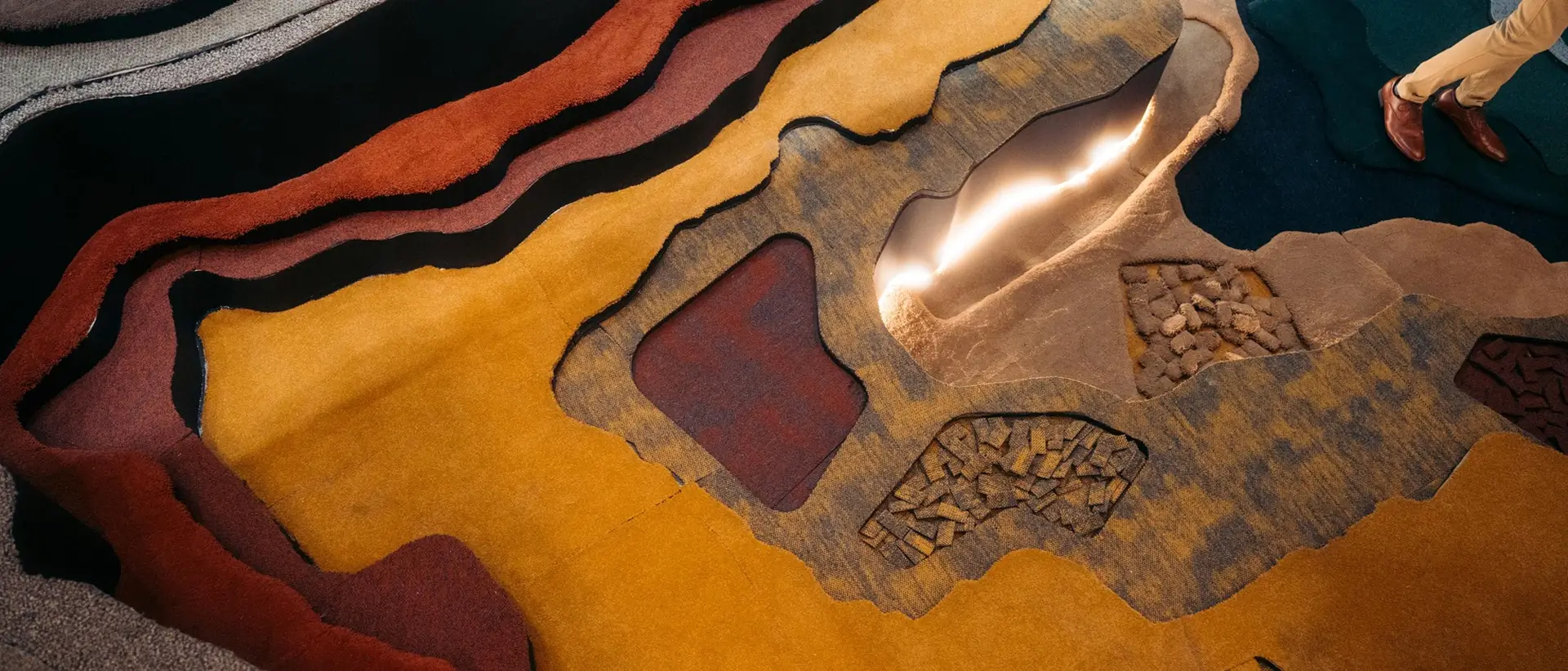
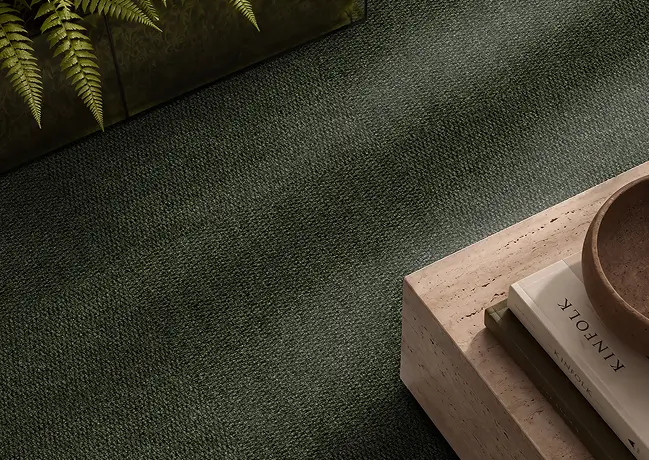
Belgotex started in Pietermaritzburg in 1983 as Natal Nylon Industries, a small operation making raw materials for the flooring industry, and expanded from there.

A leap of faith, onto African soil

1983

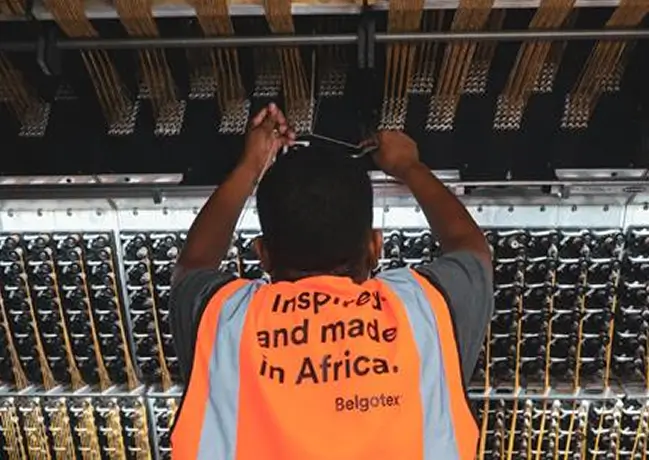
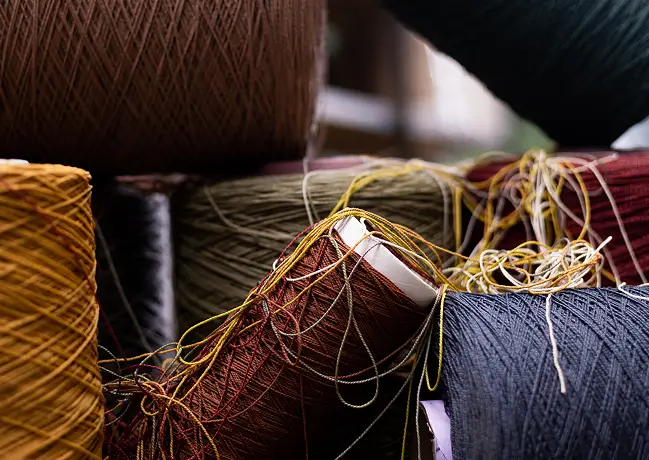
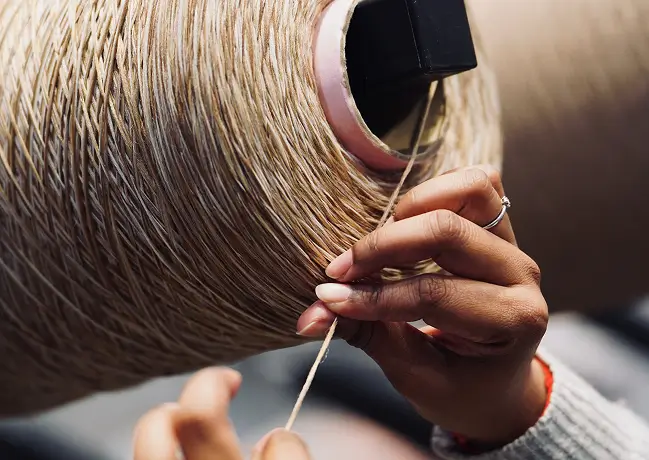
While much of the textile world was consolidating in Europe and North America, Stephan and Anne Colle made a different bet. Shortly after relocating to South Africa, they founded Natal Nylon Industries in Pietermaritzburg, close to Durban's raw material supply chains and export routes. The original operation had one focus: producing high-tech nylon yarn using modern extrusion and texturising technology.

A leap of faith, onto African soil
Belgotex Carpets is born

Belgotex Carpets is born

1984

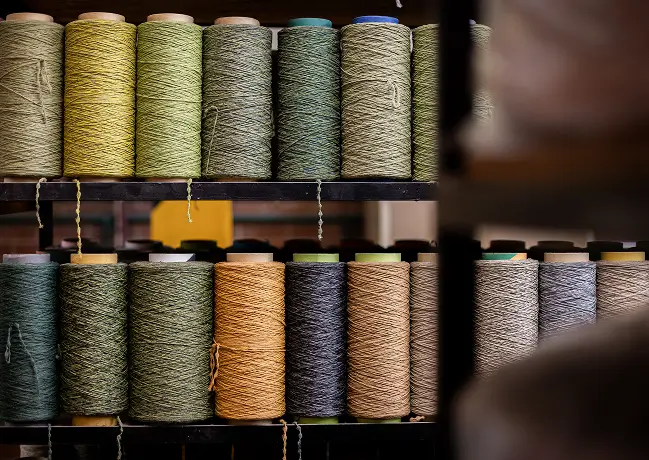
Within a year, yarn, tufting, backing and finishing were brought together under one roof to form a vertically integrated carpet manufacturing model, providing full control of every step from raw materials to finished flooring. Few carpet manufacturers in Africa were fully integrated at the time; this move made the company one of them, a structure that would later prove central to Belgotex's competitive edge and growth.

Belgotex Floorcoverings takes shape

LATE 1980s-1990s

As the business grew, it became Belgotex Floorcoverings (Pty) Ltd, operating from Willowton, Pietermaritzburg, which is still its manufacturing home to this day. Infrastructure under roof grew to around 120,000 m², export markets beyond South Africa began to open up, and Belgotex established itself as a leader in both commercial and residential carpets. It was during this period that Belgotex launched Berber Point, understood to be the first structured needlepunch carpet produced in South Africa.

Belgotex Floorcoverings takes shape
Treading softly, before it was a trend

Treading softly, before it was a trend

1995

Long before sustainability became an industry expectation, Belgotex began introducing recycling initiatives into its manufacturing process, which were the first steps in a commitment that would grow into the brand's defining promise: We Tread Softly.

Building a sustainable foundation

EARLY 2000s

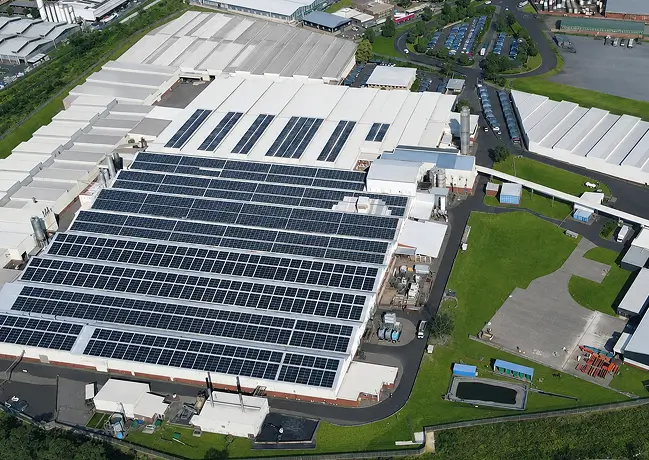
Waterless, solution-dyed nylon yarn technology, effluent plant upgrades in 2001, and carbon footprint reduction initiatives from 2010 followed. Year-on-year, Belgotex built towards a 1MW solar PV installation that became a reality in 2013. Belgotex began to diversify beyond broadloom carpet into needlepunch, luxury vinyl tiles and sheet vinyl, artificial grass, and sports and performance surfaces.

Building a sustainable foundation
A new generation takes the helm

A new generation takes the helm

2018

Edward Colle, the third generation of the founding family, was appointed CEO in August 2018, ushering in a period of cultural renewal and purpose-led branding, with a sharpened focus on an Environmental, Social, and Governance (ESG) framework and on future-proofing the business. Around this time, the company shortened its public name to 'Belgotex', creating a recognisable brand backed by manufacturing experience and credentials.

2022–2025

Going global

Belgotex International expanded its footprint in Europe by acquiring a majority stake in Lano Carpets in 2022 and full ownership in 2025, deepening strategic ties with global names like Associated Weavers and Balsan. In 2023, Edward Colle transitioned into a director role within Belgotex International, while Stephan Colle stepped into the role of Chairman, providing continuity and oversight at the highest level.

Africa's leading soft-flooring manufacturer

TODAY

From that single yarn plant in Pietermaritzburg, Belgotex has grown into a multinational, family-owned flooring group, with manufacturing and commercial operations spanning Africa, Europe, South America, Australasia and beyond. Headquartered in Pietermaritzburg, KwaZulu-Natal, Belgotex manufactures carpet, artificial grass and sports surfaces for residential, commercial, hospitality, healthcare, education and sporting environments. More than four decades on, the story remains the one Stephan and Anne Colle set out to tell: build, not extract; invest for decades, not quarters; and prove that world-class flooring can be made, proudly, on African soil.